24 Heures du Mans
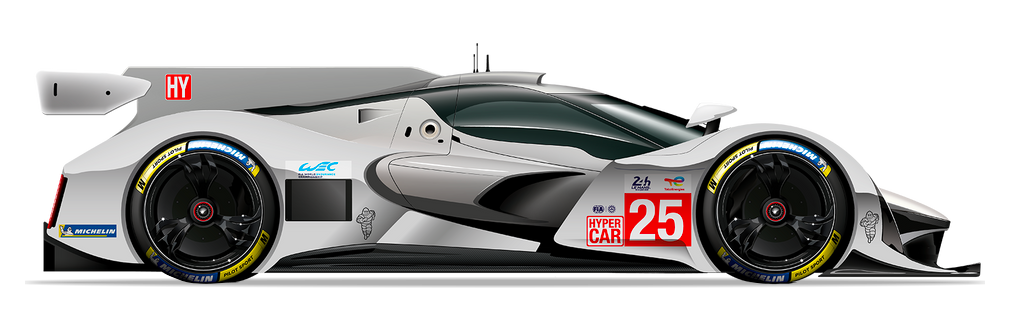
The class in brief
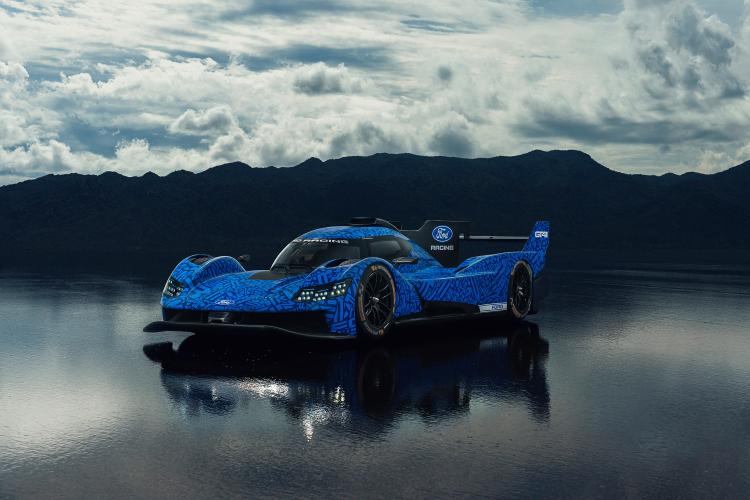
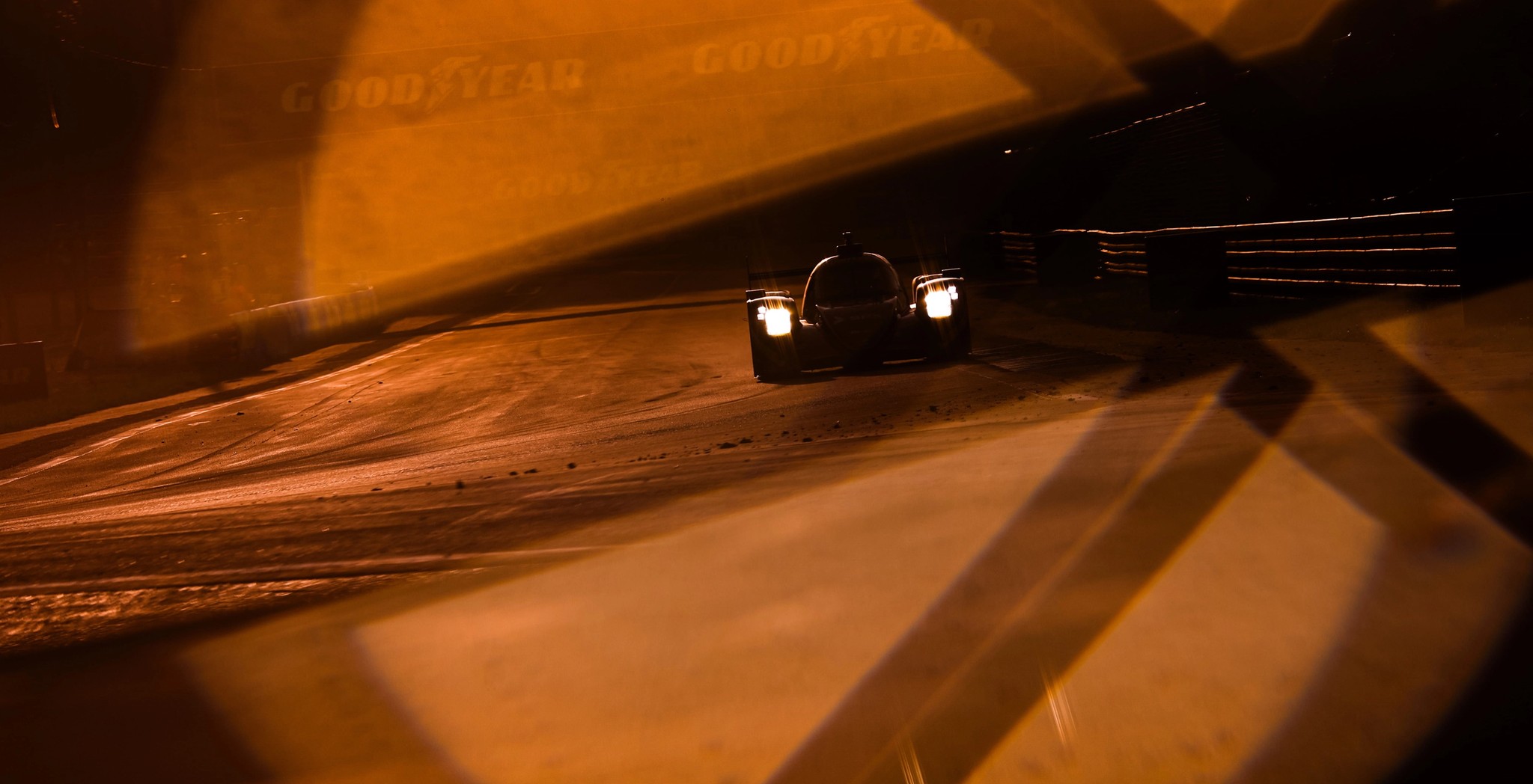
Since 2021, the Hypercar has reigned supreme in endurance racing. At the 24 Hours of Le Mans and across the FIA WEC, it represents a new generation of prototypes, shaped by innovation, research and an unwavering pursuit of performance.
Behind every Hypercar are the men and women who push boundaries, chase every tenth of a second and imagine the technologies of tomorrow. Two philosophies go head to head: LMH (Le Mans Hypercar) and LMDh (Le Mans Daytona h).
LMH gives manufacturers a high degree of freedom in terms of architecture, including the possibility of integrating a hybrid system on the front axle.
LMDh is built around a common platform developed by Dallara, Multimatic, Ligier or Oreca, which each manufacturer then shapes in its own image.
Two paths. Two visions. One shared quest: to go ever further and, perhaps, write the next page of the legend.
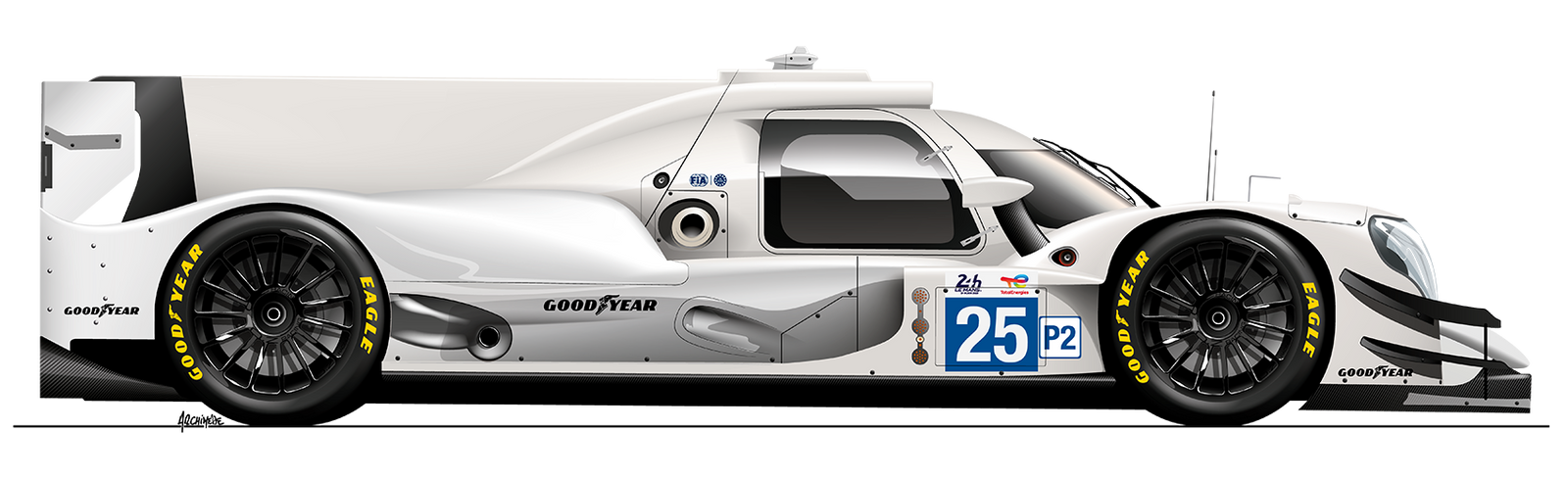
The class in brief
Designed for racing and independent teams, LMP2 Pro has a singular status within the endurance racing discipline. From the 24 Hours of Le Mans to the European Le Mans Series, the class offers teams plenty of room to express themselves.
Teams choose one of four chassis suppliers: Dallara, Ligier, Oreca or Riley/Multimatic. A single supplier, Gibson, designs the engines.
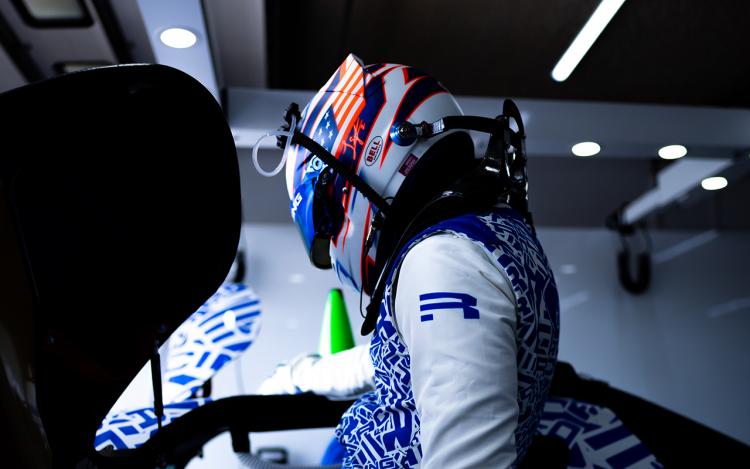
In LMP2 Pro, success depends on a combination of roles: drivers, engineers, mechanics and strategists. Every stint counts. In fact, every second counts.
Teams must include at least one Silver driver, but not necessarily a Bronze driver. This enables them to aim high and favours performance.
In this discipline, victory is always the result of teamwork.
The class in brief
Designed for racing and independent teams, LMP2 is another facet of endurance racing. From the 24 Hours of Le Mans to the European Le Mans Series, the Asian Le Mans Series and IMSA, the class provides a competitive arena in which amateur and professional drivers unite their talents.
Teams choose one of four chassis suppliers: Dallara, Ligier, Oreca or Riley/Multimatic. A single supplier, Gibson, designs the engines.
Under FIA rules, crews must include at least one Bronze driver. This restriction makes the complementarity between amateurs and professionals a focal point of the competition.
In endurance racing, performance is always collaborative. It depends on a combination of roles: drivers, engineers, mechanics and strategists. Every stint counts. In fact, every second counts.
In this discipline, victory is always the result of teamwork.
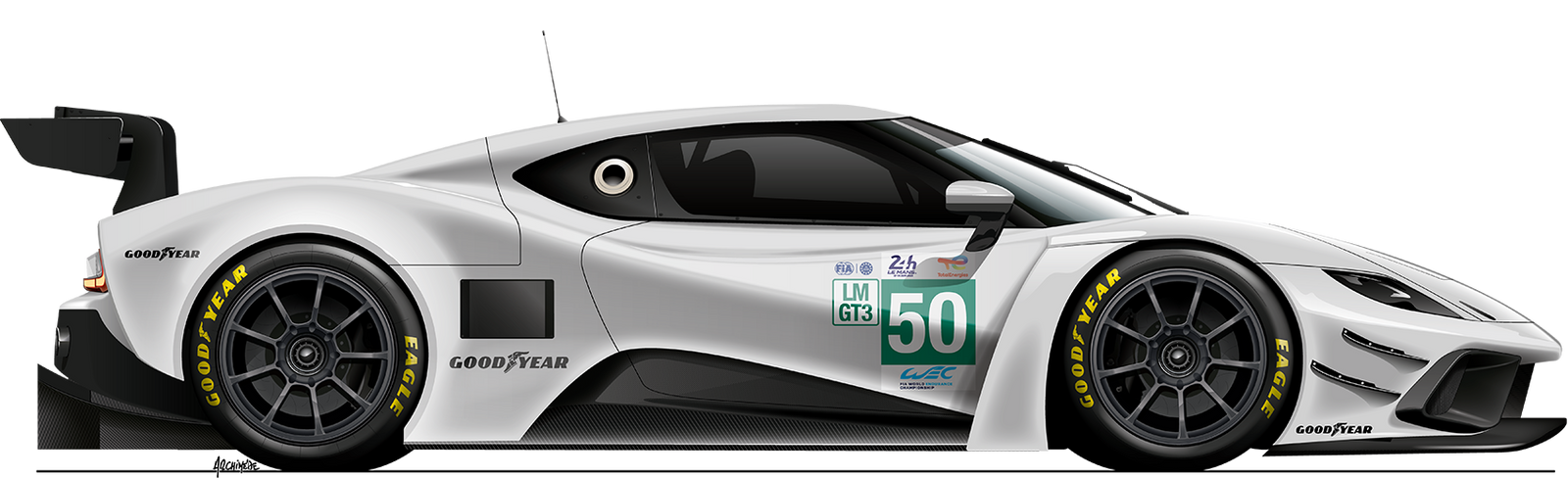
The class in brief
Since 2024, a new generation of GT cars has been writing its story at the 24 Hours of Le Mans and in the FIA WEC. Born from the FIA GT3 platform, these cars bring to the track the DNA of manufacturers whose cars also come to life on the road.
To enter the battle, manufacturers must produce more than 2,500 road cars per year. Then comes the transformation: illuminated digital panels, position lights… every detail prepares these GT cars for the unique challenge of the 24 Hours.
Aston Martin, BMW, Corvette, Ferrari, Ford, Lexus, Mercedes-AMG, McLaren and Porsche will be represented by private teams.
And behind every car lies a human story: each crew must include at least one Bronze-rated driver and one Bronze- or Silver-rated driver.
Cars born for the road. Drivers born for the race. One shared ambition: to write their own page of the legend.