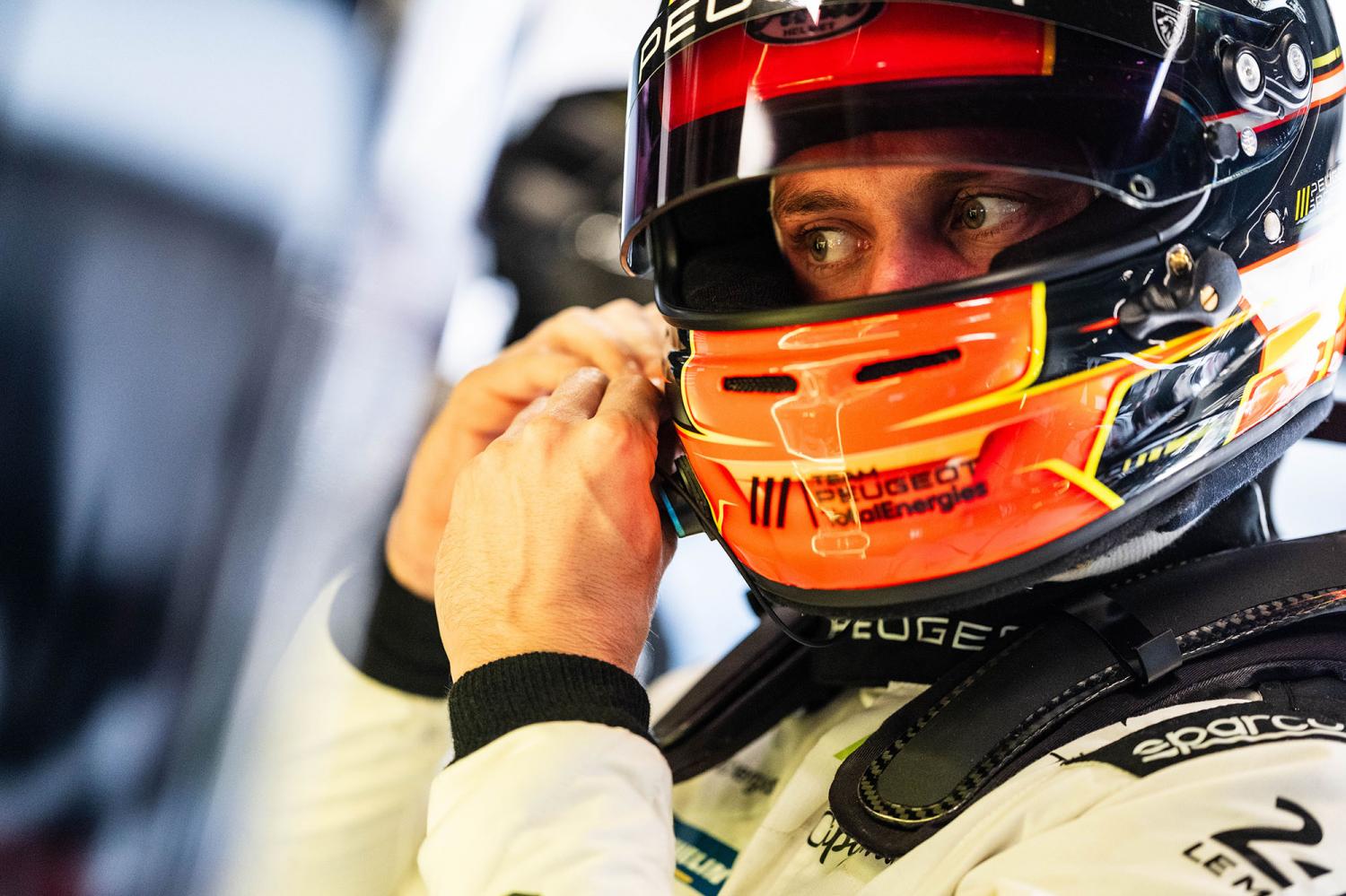
This season has been outstanding. Victory at Daytona, a class win at the 24 Hours of Le Mans and the IMSA WeatherTech SportsCar Championship LMP2 title. Looking back, how would you sum it up?
“It was pretty perfect. A lot of hard work, but once we got the ball rolling, we hit the ground running with the win at Daytona. The year just flew by as a blur. Every race went well. And as I said, once we got the ball rolling, it was easier, because we knew what to do and how to do it, where to focus on. We learnt from each other as teammates. The results confirm it: special wins, big races, and then the championship to top it off. Perfect!”
What did you learn most as a driver this season, and why?
“The pressure side of it was a big thing. I would say, on the driving side, I used what I’ve learned in the past, and that all came together and worked really well. But being in the fight for the championship for the whole season, being close the whole way, was good experience. And we won two big races. Both times, in the last three-quarters of the race, we were under pressure and had to make no mistakes. That side of it was a big learning curve. I think I handled it quite well. I mean, the results speak for themselves.”
How do you manage that kind of pressure?
“Hmm, I don’t know, to be honest. You just keep going. Family have been really important this year. Just trying to keep normality. Especially the last half of the year. It’s been so busy, going from one race to the next. Just having a bit of normality, switching off... It might sound silly, but even during race weekends, not getting too hooked up on it - and therefore too worried about it - was quite important, especially during long periods [of intense competition]. So, I don’t know exactly how I manage pressure, but family are important.”
What role did you play in the development of the Peugeot 9X8 this year? Can you give us an example of a technical contribution?
“I did a couple of tests. I came in with limited experience on how these cars should feel and what they feel like initially, but I used what I know from other classes. You know, it’s still a race car. Knowing what to look for in certain areas and get better lap times by improving a certain aspect of the car. It’s quite important to me, focusing on the important areas. Balance-wise, and any detailed feedback on what I felt, was useful. I’m not an engineer. I don’t know exactly what this car needs to go fast, but if I can give the engineer exactly what I feel, that helps them make a decision. So that’s exactly what I had to do, and I’ve been trying to do more and more.”
See also: The Peugeot 9X8 enters its next phase of development
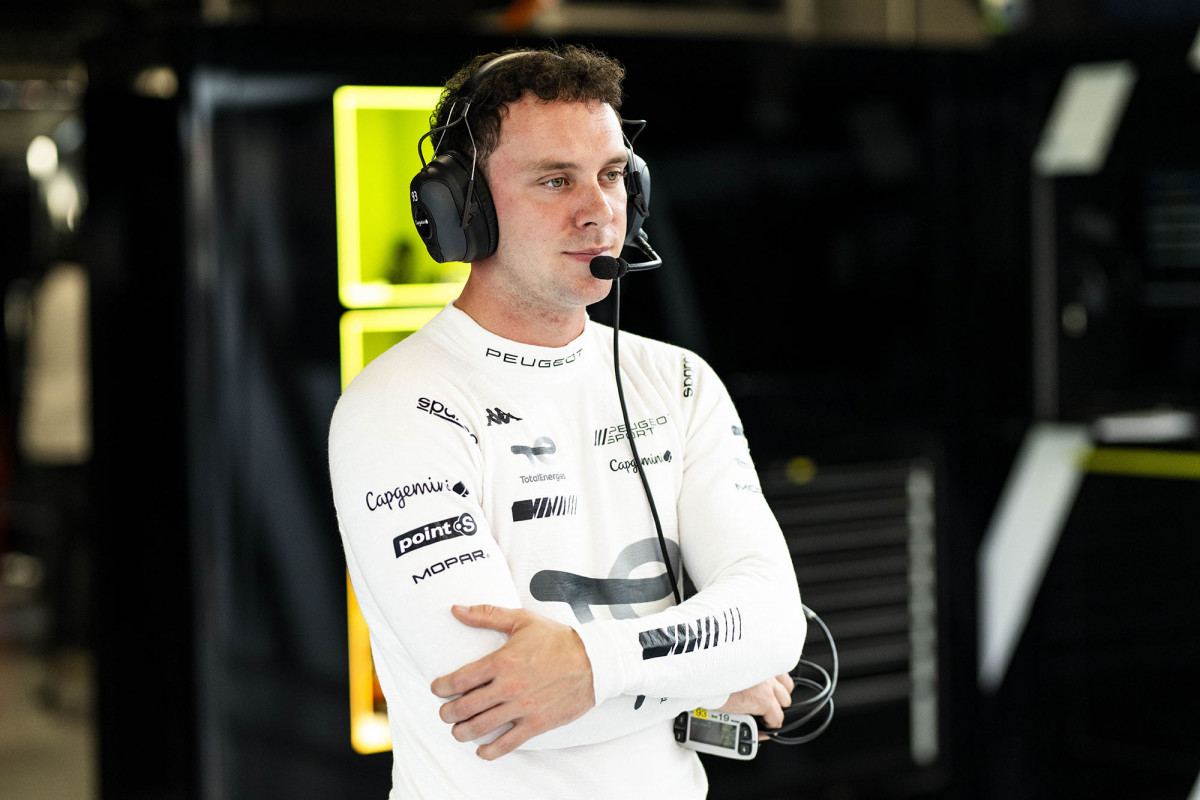
What are your expectations for 2027, and where would you like to see better results, or see progress?
“No expectations, which is really quite nice, coming into a new team for me, and a new championship as well. I just want to perform as best I can. In terms of results, again no expectations, but hopefully an improvement, and improving throughout the year as well. The new EVO is going to be new to us all and we’ll be trying to learn from that as we go and take it step by step. So, no expectations, just see where we are and keep improving from there. That’s the most important thing.”
How has your perception of the 9X8 changed since the first test in Bahrain in 2025 and your most recent tests?
“I’m a lot more used to it, I guess. A bit less star struck. Initially, I just felt the car was extremely quick in a straight, which is what I had to learn. And then as I adapted to that, and got more comfortable with it, I could then push it in other areas and trust the car. I think that’s a big thing actually, trusting the car. Because they are difficult to drive. So as I got more comfortable with it, I could use it as it should be.”
How are you gearing up for 2027 now that you’re an official factory driver?
“Well I’m very lucky that I’ve got these last two races to get embedded in the team properly, and learn a bit about the championship. So I’ll be using these weekends as much as I can. And then, hopefully a little break because it’s been very intense. But then straight into it. I’m sure we’ll be doing simulator sessions. Then, understanding what we want to achieve, and how we want to achieve it in the early part of next year. So, I’m looking forward to it. That’s the main thing.”
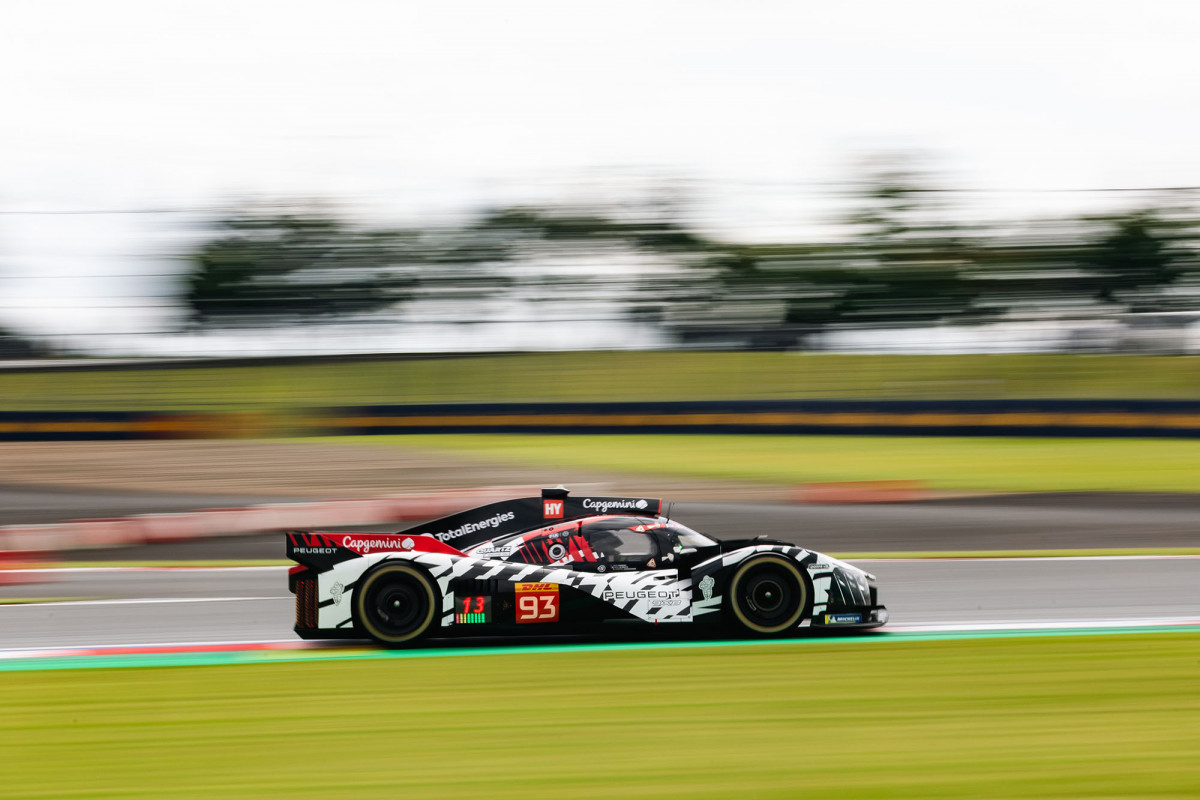
You’ll be in a position to win the 24 Hours of Le Mans outright next year. How do you feel about that?
“Yes, that would be a dream come true. We won the LMP2 Pro-Am class this year. An overall win is the next step. Again, coming into it with no expectations, but that’s what we want to aim for. That would be amazing, and that’s what we’ll be striving for.”
24 Hours of Le Mans fans may not know that you run a farm alongside your racing career. On a race track, your goal is to be the fastest. On the farm, nature sets the pace. Which requires the most patience and how do you apply what you’ve learned in one, to the other?
“Farming definitely requires the most patience... in certain areas. But I would say - and I often say this - the biggest lesson from the farm that I would take to the racing environment is the hard-working aspect. It’s a very tough job, and you need a lot of determination in endurance, so each job reflects the other. That’s what I feel.”
Summary:
- Alex Quinn has had a remarkable 2026 season, winning LMP2 at the 24 Hours of Daytona, LMP2 Pro/Am at the 24 Hours of Le Mans and the IMSA WeatherTech SportsCar Championship in LMP2.
- The good results earned him a seat as Team Peugeot TotalEnergies factory driver in the FIA World Endurance Championship.
- In 2027, he will be driving an EVO version of the Peugeot 9X8. He has spent the last few months contributing to the French hypercar’s development.
- At the next 24 Hours of Le Mans (9–13 June 2027), Quinn will be in a position to race for the win, which he says “would be a dream come true.”
- 24 Heures du Mans
- Interview
- Alex Quinn
- PEUGEOT TOTALENERGIES