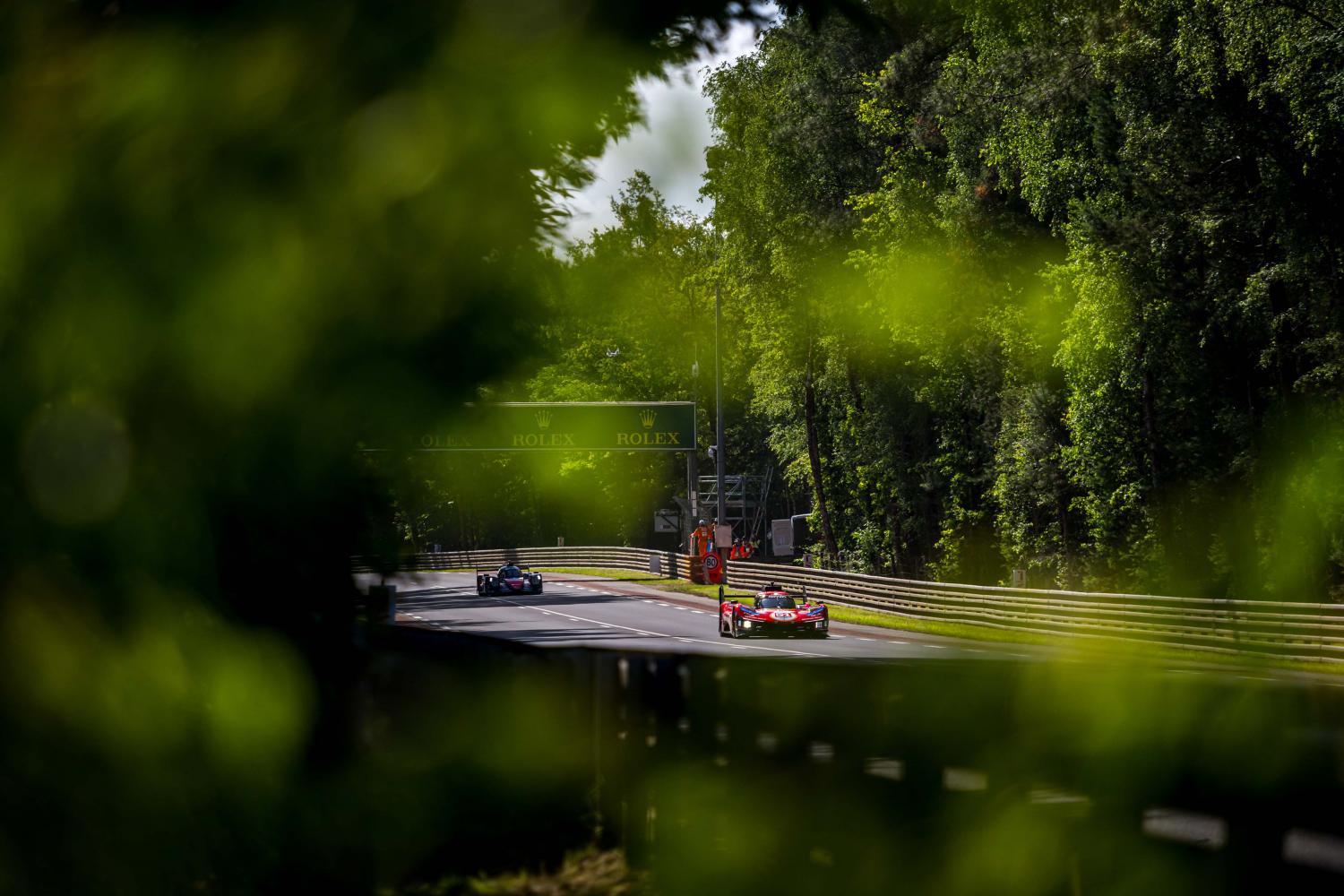
Through its "Race to 2030" programme, 24 Hours of Le Mans organiser the Automobile Club de l'Ouest (ACO) is measuring the race's carbon footprint, taking action to reduce its impact and supporting climate projects to offset remaining emissions. A portion of ticket sales has been dedicated to the following two initiatives since last year: two forests in the Sarthe region (in Mulsanne and Parigné-l'Évêque) and a group of wind farms in Brazil. The ACO is going even further next year. When ticket sales open, each spectator will be able to add a voluntary contribution to their cart to support new projects, particularly locally.
2027 24 Hours of Le Mans Ticketing: A Voluntary Contribution for the environment
When official ticket sales for the 95th 24 Hours open on 3 November for Club ACO members and 6 November for the general public, spectators will have the option to add a voluntary contribution to their shopping cart. This contribution will go toward supporting new climate-related projects, particularly within the Sarthe region. The work to reduce the event’s emissions will continue in tandem. Spectators will be free to choose whether or not to add a contribution to their cart.
Climate-related projects: what the 24 Hours of Le Mans is supporting
A forest replanted in Mulsanne
Last year, the ACO began supporting the "MaForêt #53" project in Mulsanne, south of Le Mans. Three years prior, a fire destroyed a 5.3-hectare plot of maritime pines. As the forest could not regenerate on its own, maritime pines have now been replanted along with downy oaks, Atlas cedars and black locusts added along edges and pathways.
The project has been awarded the "Low-Carbon Label" and aims to restore the forest and gradually sequester carbon as the trees grow. The final amounts will depend on the project’s verification.
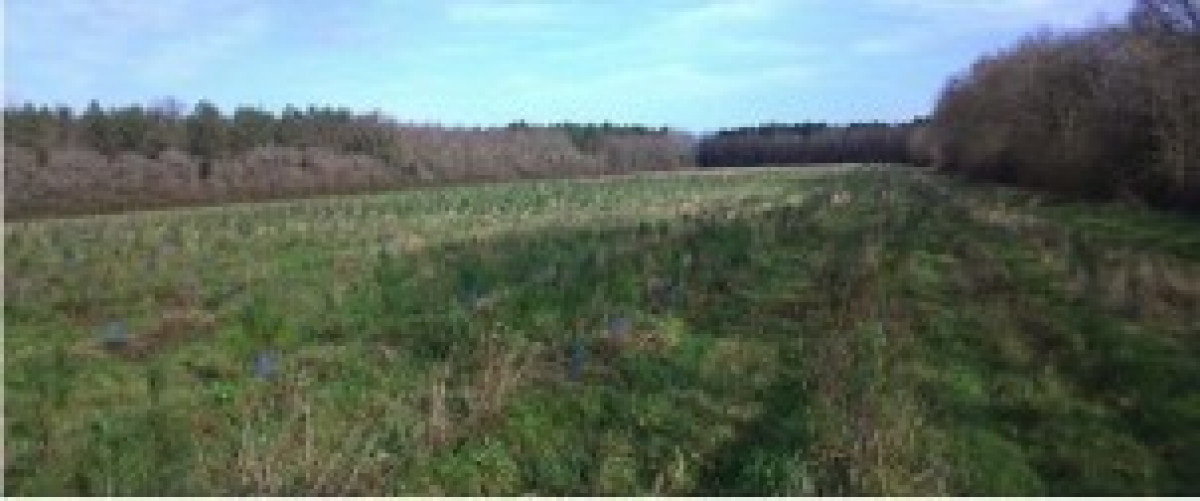
The Bois du Chapitre at Parigné-L’Évêque
Selected this year, the Bois du Chapitre covers nearly 16 hectares. Close to 25,000 trees of nine different species have been planted there, including pines and deciduous trees such as sessile oak, common alder and small-leaved lime.
This afforestation project has also been awarded the "Low-Carbon Label" as it stores carbon and provides new habitats for wildlife. Its carbon-related outcomes remain projections until they have been verified.
>>> Consult the official Parigné-L’Évêque project sheet <<<
Wind-generated electricity in Brazil
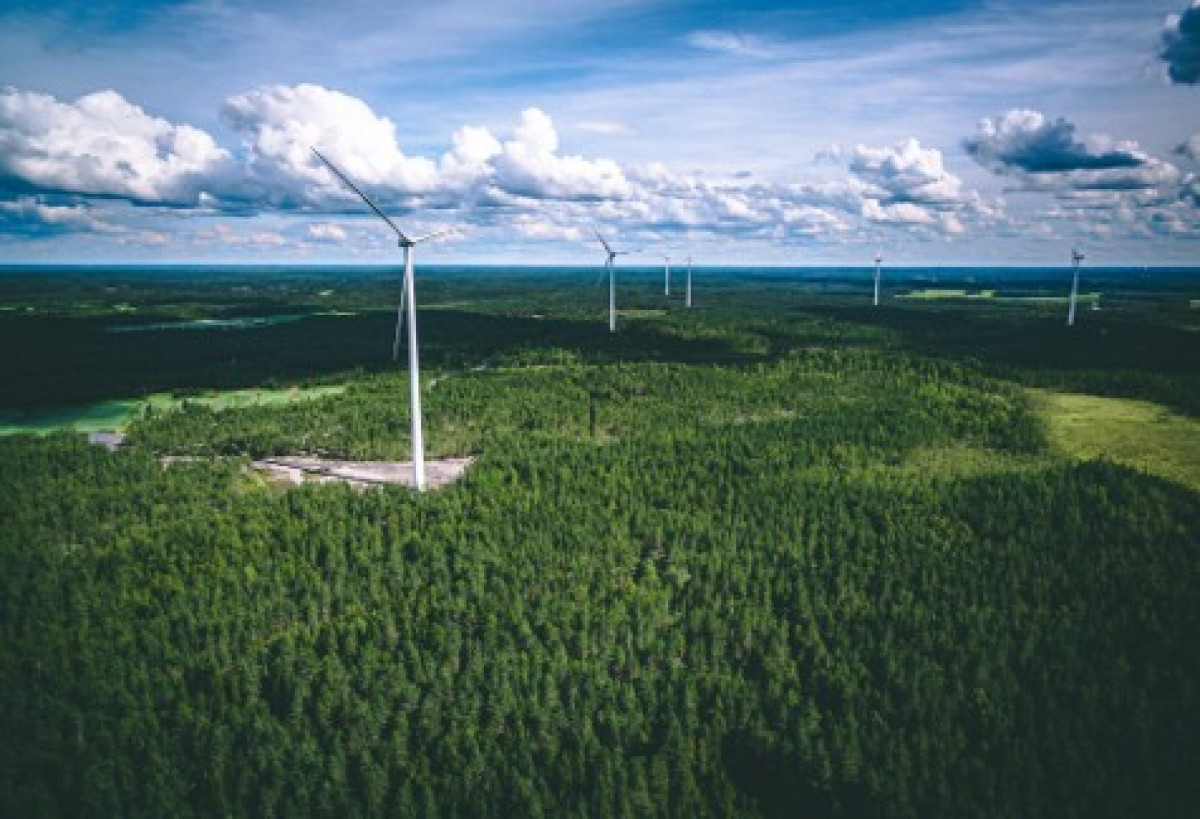
The FIA World Endurance Championship (WEC) calendar includes the 6 Hours of São Paulo in Brazil. This is one of the reasons the ACO has supported the VTRM Renewable Energy project in the Araripina region for two years running. Its first phase, Ventos do Araripe III, is comprised of 14 wind farms with an installed capacity of 358.8 MW.
The electricity generated enters the Brazilian national grid and is not reserved for any specific customer. Avoided emissions are calculated by comparing this output against the grid’s typical electricity generation. Developed by Auren Energia S.A., the project is registered under reference number VCS 1812 with Verra’s Verified Carbon Standard.
What is Corporate social responsibility? The ACO’s commitments explained
It's simple: every organisation must look beyond its own operations and take into account its impact on the planet, the local economy and the community at large.
The approach is called EngageMans and is established on three pillars: the planet, a responsible economy and a more inclusive society. In 2024, it was recognized by the ISO 20121 certification and FIA 3-star environmental accreditation.
Race to 2030: measure, reduce, contribute
The process can be compared to an endurance race with three legs:
1. Measure. Everything begins with the carbon footprint of the 2019 24 Hours of Le Mans which serves as a benchmark. That year, the carbon footprint of the race exceeded 36,000 tonnes of CO2.
2. Reduce. The goal is to reduce the race’s emissions by 30% by 2030 compared to 2019 levels. The primary areas for improvement are spectator transport, energy, catering and waste. On the track, competitors are already using a 100% renewable fuel designed and developed by TotalEnergies.
3. Contribute. For the remaining emissions, the ACO's goal is a carbon contribution equivalent to 70% of the footprint measured for each running. The funding follows a target allocation: 80% for international projects and 20% for local.
Sign up now for the 24 Hours of Le Mans newsletter and be among the first to receive the latest updates for the 2027 running, including ticket office openings, advance sales, the event schedule, the list of competing cars and general information.
>>> Sign up for the newsletter <<<
- #Territory
- 24 Heures du Mans