Whenever a person is carried – in a car, boat, on a horse, and when speed is the goal, weight affects performance. The laws of physics influence motor racing in many ways. Carmakers have been shaving extra weight off cars since the early 20th century, even removing paint to gain precious grammes. Soon, driver weight was taken into consideration too. Lightweight drivers mean more speed and less tyre wear.
A factor that weighs heavily
But drivers aren’t machines. Taller frames are at a disadvantage, whatever their eating habits. Particularly over the 13.626 kilometres of the Circuit des 24 Heures du Mans. “They say that ten kilos is worth a tenth of a second, but at Le Mans, it must be at least three tenths”, reckons Julian Hanses, 1m91, driver of the Team Qatar Iron Lynx #62 Mercedes-AMG LMGT3. In the Hypercar class, if crew A weighs ten kilos more than crew B, crew A will gain two minutes in the 24-hour race. The last three 24 Hours of Le Mans have been won (and lost) by less than that. In the new system, a few too many kilos – 3.3 kg in the example given above – can cost you the race or a place on the podium. That’s a high price to pay.
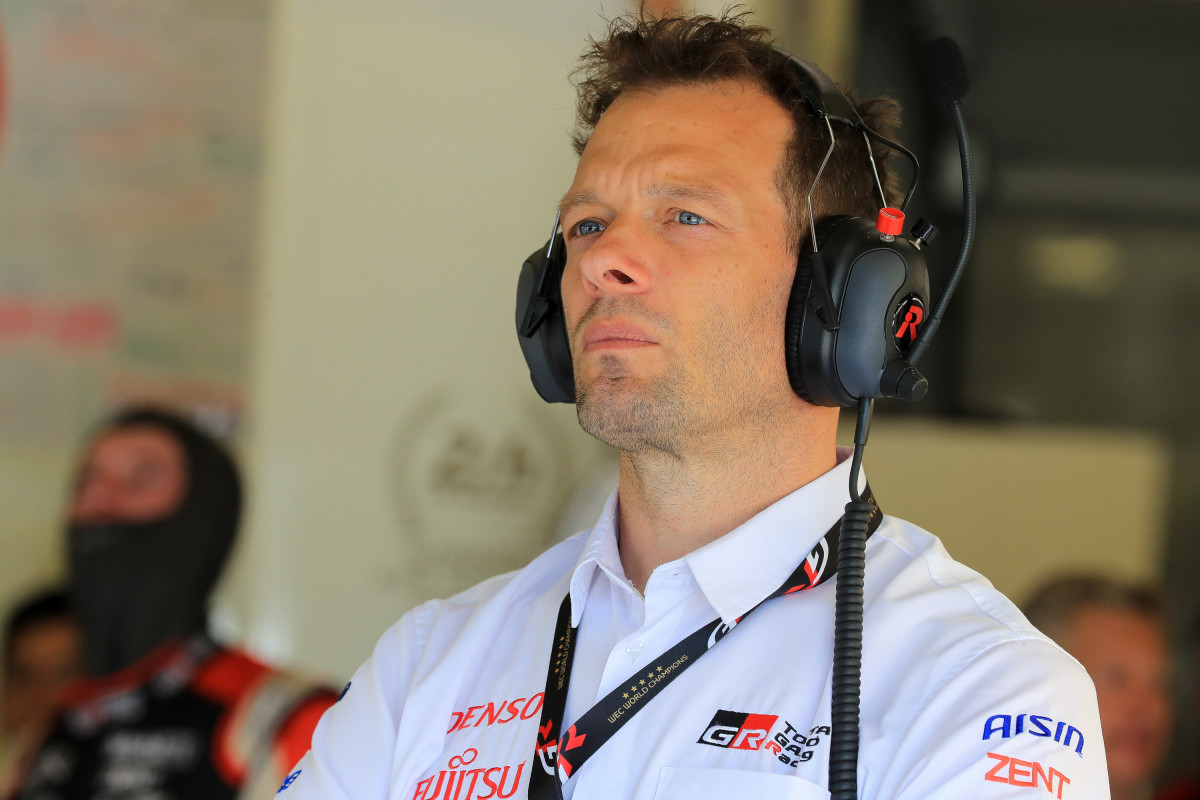
As a driver, you have to accept that, all other things being equal, your morphology affects your performance. Alexander Wurz (1.91 m), two-time Le Mans winner (1996 and 2006) and now consultant for Toyota Racing, felt his height was a handicap: “It was very difficult during my career, particularly in Formula 1. In my second year, I was eight to ten kilos heavier than my teammate, Giancarlo Fisichella. On average, I was two tenths of a second slower than him per lap. But the team had forbidden me from revealing that. It really annoyed me at the time, because I knew I was at least as competitive as him.” Some drivers constantly survey their weight, and have done so since childhood.
A challenge not to be taken lightly
Bodyweight is determined by two main factors: calorie intake and muscle mass. Tall drivers watch both like a hawk. “Managing my weight has always been tricky, both mentally and physically. I was careful about everything I ate, and my teammates used to make fun of me because, at Le Mans, I’d have baby food for my meals. That way, I got the best nutritional value for the fewest calories, given the portion sizes. But hey, it was all part of the game,” he adds.
“At Le Mans, I'd have baby food for my meals”
— Alexander Wurz, two-time winner of the 24 Hours of Le Mans
Jordan Taylor (Wayne Taylor Racing #101 Cadillac) says,“Ultimately, for us big guys, it doesn’t change our approach. All the training we did throughout the year was already focused on performance, as was our diet. We always try to be as light as possible; it’s a universal rule in motorsport.”
Weight training is another crucial element. Driving a Hypercar that grips the track can be tiring if you lack strength. At the same time, too much muscle weighs more. It can be hard to strike a balance, especially when other factors come into play. Ferdinand Habsburg (#35 Alpine A424) explains his predicament: “It’s tricky for taller people; you need muscle too. For example, I need to have a strong back, as I’ve been injured twice. To protect and support my spine, I need to build muscle, which means lifting weights.” Overdo it, and you lose a few tenths. “I really need to focus on cardio and avoid building too much muscle”, says Tom Gamble (#007 Aston Martin Valkyrie).
Taller, heavier drivers tend to base their training on swimming, running, cycling, or even boxing to build stamina without adding bulk.
A level playing field
The new WEC system deals a new hand. The reference weight is 82 kg on average per driver crew across all classes. For example, a crew of drivers weighing 77.8 kg, 80.2 kg and 82.9 kg, makes an average of 80.3 kg, meaning 2kg extra ballast (1.7 rounded up to the nearest kilo). In Qualifying and Hyperpole sessions, the designated driver must compensate for her or his weight in the same way.
Competitors welcome the new system, as it gives everyone an equal chance of winning Hyperpole, which previously favoured lighter drivers. “Seeing as I’m on the small side, it’s not really to my advantage. But I still think it’s a good thing. A driver shouldn’t be penalised just for being taller or heavier. It’s a step in the right direction”, says Louis Delétraz, LMP2 Hyperpole winner in 2024 and driver of the Hertz Team Jota #12 Cadillac this year.
As sportswomen and men, 24 Hours of Le Mans drivers spend their careers as models of self-restraint to gain tenths of a second. The blink of an eye. The difference between a great driver and an absolute legend.